

Burgundy Wines: A Treasure of Terroir and Tradition
Burgundy wines embody the essence of French wine, combining an exceptional terroir with centuries of history and craftsmanship. The region is world‑famous for Pinot Noir and Chardonnay, producing elegant reds, mineral‑driven whites, and a few sparkling wines that captivate wine lovers globally.
Ancient Origins and Roman Influence
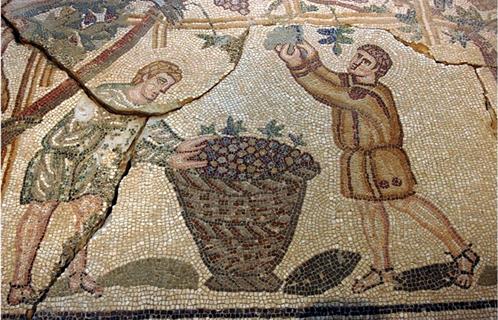
Viticulture in Burgundy dates back to Antiquity, but it was truly structured and expanded under Roman rule. Roman cultivation around cities like Autun laid the foundations of the vineyard, with archaeological findings showing that wine already played a major economic role. Over the following centuries, authors such as Gregory of Tours praised the vine‑covered slopes of Burgundy, confirming the early reputation of these wines.
The Monastic Golden Age
From the Middle Ages onward, monks played a decisive role in shaping Burgundy’s identity. Benedictine, Cluniac, and Cistercian orders gradually acquired land, planted vines, and observed how each parcel behaved over time. The Cistercians, in particular, created Clos de Vougeot and started to distinguish plots according to quality, essentially inventing the modern notion of “climat” and terroir. Their detailed work laid the groundwork for today’s famous crus and appellations.
Ducal Decrees and the Rise of Appellations
In the late Middle Ages, the Dukes of Burgundy intervened directly in vineyard practices. Philippe the Bold famously banned lower‑quality varieties like Gamay from the best sites, favoring Pinot Noir and limiting yields. Centuries later, royal regulations defined the geographical limits of Burgundy wines, anticipating what would become appellation laws. By the seventeenth century, Burgundy was firmly established at the royal court and among physicians, who praised its health benefits and finesse.
Know‑How and Winemaking
Burgundy’s reputation rests as much on its terroirs as on the skills of its winegrowers. Harvesting is often done by hand to preserve the integrity of the grapes. Reds typically undergo maceration to extract color and tannins before being aged in oak barrels, while whites are gently pressed and then fermented and aged in wood or stainless steel, depending on the style. Barrel origin, toasting level, and length of maturation are all carefully calibrated to respect the character of each terroir.
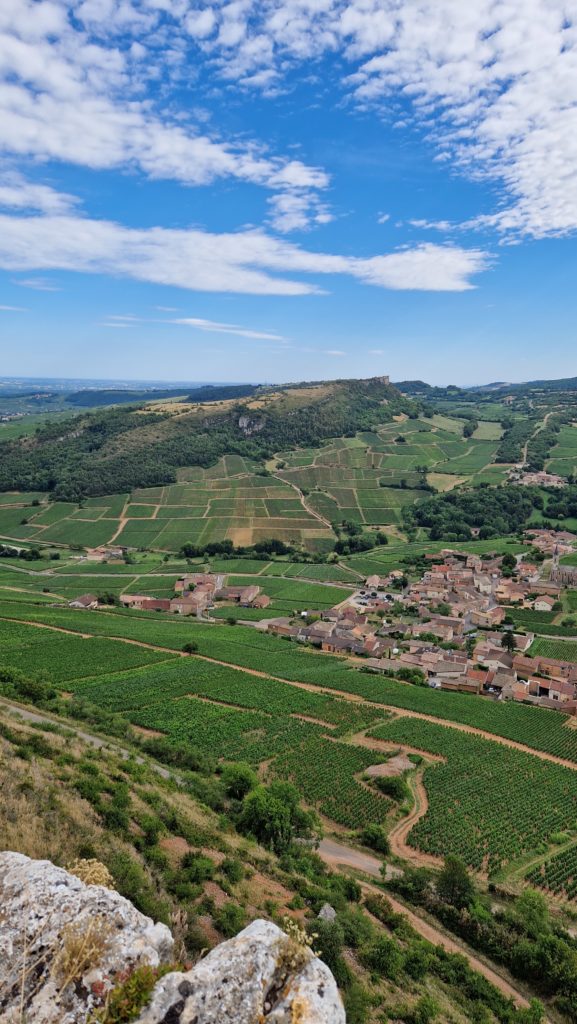
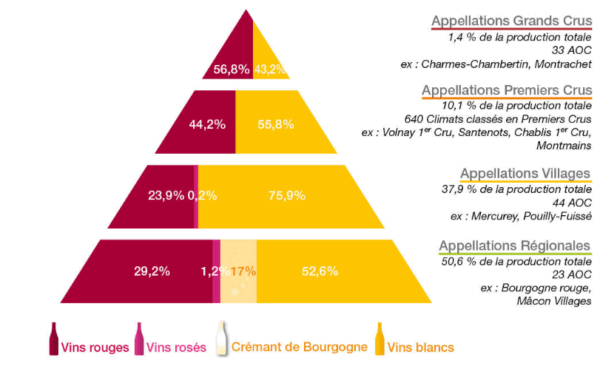
The Burgundy vineyard stretches in a long, narrow strip with distinct sub‑regions: Chablis in the north, the Côte de Nuits and Côte de Beaune in the Côte d’Or, the Côte Chalonnaise, and the Mâconnais further south. Within these areas, a hierarchy of appellations has developed: regional wines, village wines, Premier Crus, and Grand Crus. Thousands of tiny plots are often owned by multiple growers, resulting in a very fragmented mosaic of vineyards and labels.
Signature Grape Varieties
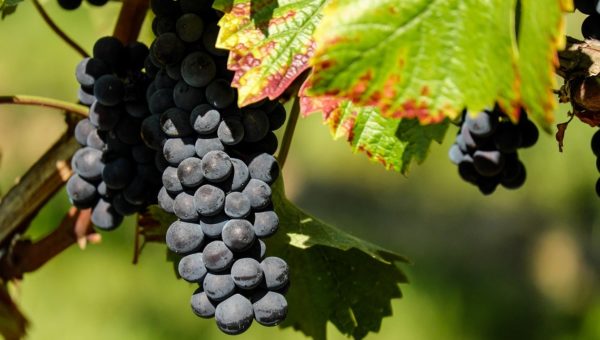
Burgundy is dominated by two noble grapes: Pinot Noir for red wines and Chardonnay for whites. Pinot Noir thrives on limestone‑rich soils and produces refined reds with aromatic profiles ranging from red fruits to undergrowth and spices. Chardonnay yields a wide spectrum of whites, from taut, citrus‑driven Chablis to rich, nutty, and buttery wines in the Côte de Beaune. Smaller plantings of Aligoté, Gamay, and a few local curiosities complete the picture.
Know‑How and Winemaking
Burgundy’s reputation rests as much on its terroirs as on the skills of its winegrowers. Harvesting is often done by hand to preserve the integrity of the grapes. Reds typically undergo maceration to extract color and tannins before being aged in oak barrels, while whites are gently pressed and then fermented and aged in wood or stainless steel, depending on the style. Barrel origin, toasting level, and length of maturation are all carefully calibrated to respect the character of each terroir.
Crises and Modern Renewal
Like all historic vineyards, Burgundy has faced crises, the most devastating being the phylloxera epidemic in the nineteenth century. Replanting on grafted vines allowed the region to recover. The twentieth century brought the creation of the AOC system, which legally defined appellation boundaries and production rules. After a period focused on quantity, many estates have returned to lower yields, sustainable or organic farming, and more precise winemaking, lifting quality to new heights.
Food Pairings and Tasting
Burgundy wines are extremely versatile at the table. The region’s reds pair beautifully with poultry, game, charcuterie, and local cheeses such as Époisses. Whites work well with seafood, fish in sauce, creamy poultry dishes, and goat cheeses. Serving temperature, glass shape, and the decision to decant or not can significantly influence how the wines express themselves, especially in the case of top village, Premier Cru, and Grand Cru bottles.
Future Challenges and Enduring Legacy
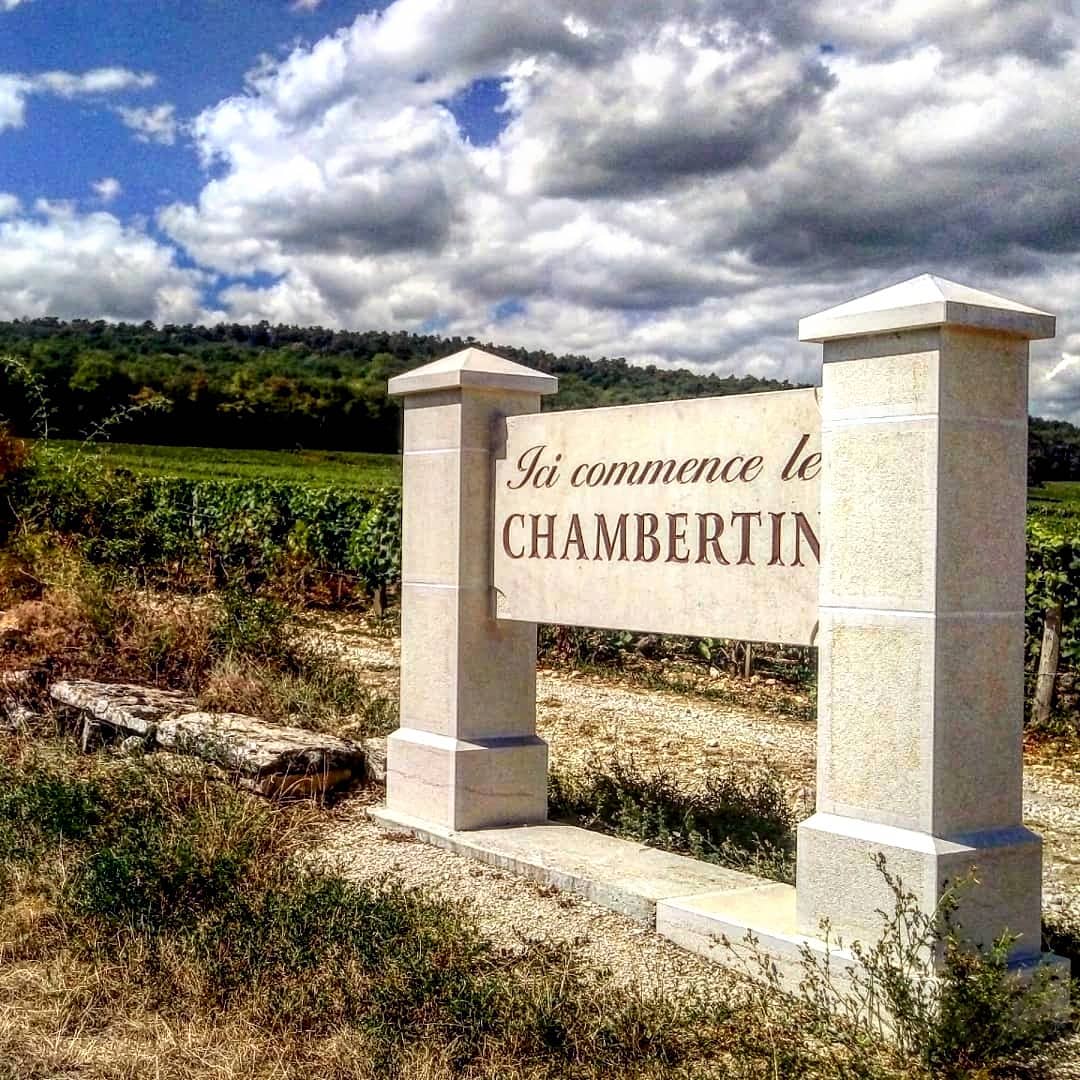
Today, Burgundy combines a unique cultural heritage with a strong international aura. Climate change, pressure on land prices, and global demand present both challenges and opportunities for growers. Yet the fundamental strength of the region remains its patchwork of climats and the deep knowledge accumulated over centuries. Burgundy wines continue to inspire winegrowers around the world and remain a benchmark of finesse, complexity, and terroir‑driven character.
