

The Wine Bottle: History and Exploration of Its Many Formats
The wine bottle, now central to both wine appreciation and global trade, feels inseparable from wine culture. Yet behind this simple glass vessel lies a millennia-old story shaped by the need for preservation, commercial exchange, and aesthetics.
The evolution of the wine bottle—from ancient amphorae to today’s standardized glass format—reflects both ingenuity and tradition. Over time, advances in materials, transport, and storage transformed how wine was handled, aged, and enjoyed.
Let’s explore the fascinating history of the wine bottle and the wide range of formats designed not only to protect the wine inside, but also to elevate the ritual of tasting and celebration.
From Amphorae to the Modern Bottle
Before the invention of the glass bottle, wine was stored in clay amphorae, large earthenware jars (known as dolia), or animal-skin containers. In ancient Greece and later in Rome, the amphora became the preferred vessel not only for wine, but also for olive oil and beer.
Its main drawbacks were weight and fragility. The earliest archaeological evidence of winemaking dates back to around 2500 BCE. Amphorae were often buried or placed on the ground to encourage fermentation and improve preservation. However, transportation remained challenging due to their size and capacity—some containers could hold up to 2,500 liters.
Around 500 BCE, a major technological shift occurred with the introduction of the barrel. Unlike amphorae, barrels—typically made from oak or pine—were sturdier and easier to transport thanks to their cylindrical shape. Their arrival marked a turning point in both logistics and wine maturation, as contact with wood began influencing aroma and structure.
The Discovery and Spread of Glass
Glass was first produced by Mesopotamian artisans in the 3rd millennium BCE, though it was initially used only for small decorative objects or imitation gemstones. It wasn’t until ancient Rome that hollow glass containers began to appear, formed in molds.
In the 2nd century BCE, glassmakers developed the blowpipe—a hollow iron tube that allowed molten glass to be shaped by breath into spherical or cylindrical forms. During the Roman era, the ampulla emerged. This small glass vessel, with a narrow neck and defined shoulder, could be seen as a distant ancestor of today’s bottle.
However, glass remained expensive. As a result, the ampulla was considered a luxury item and was rarely used for wine. It was more commonly reserved for oils, perfumes, and other precious liquids.
Sir Kenelm Digby and the Birth of the Modern Bottle
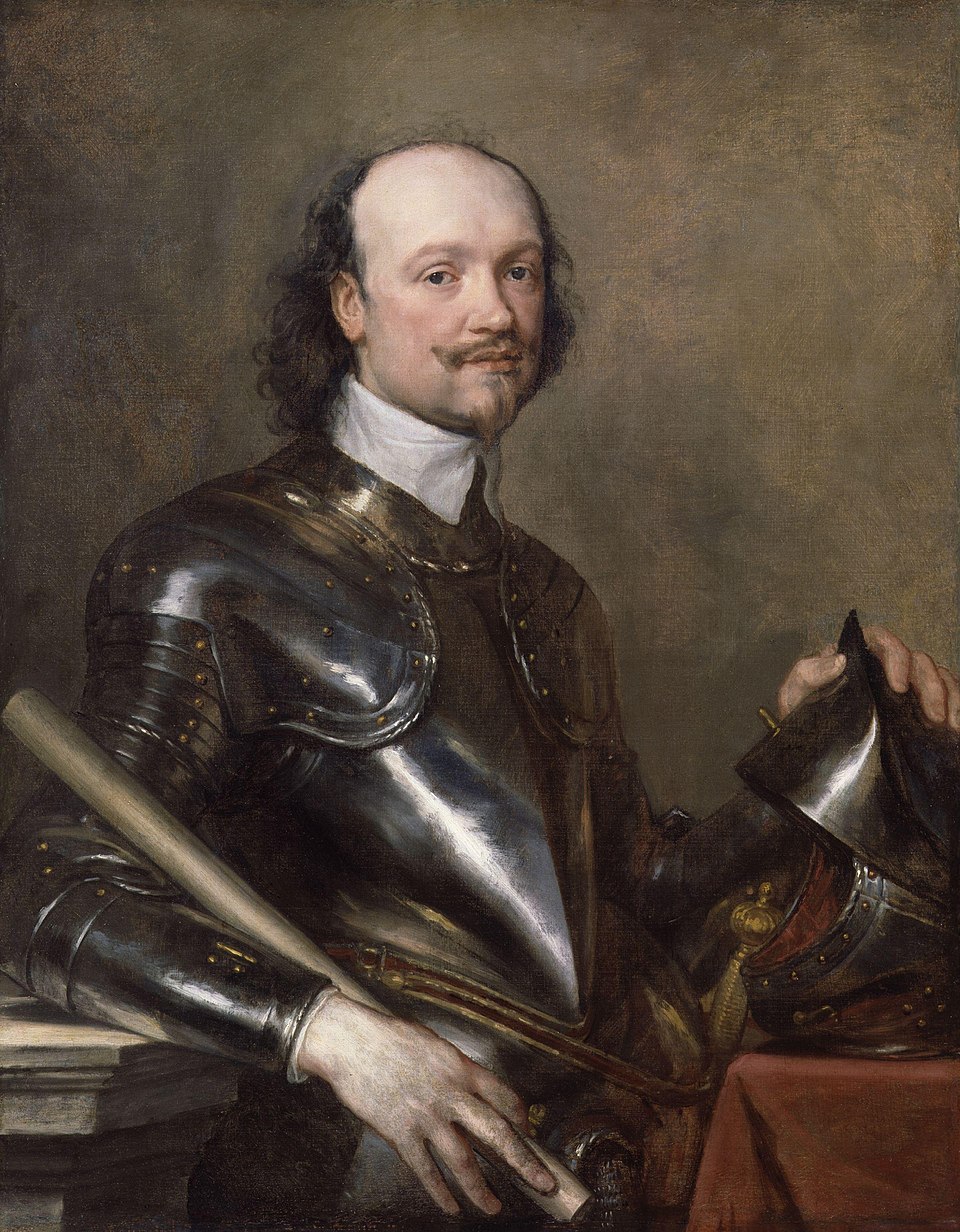
The true democratization of the wine bottle began in the 17th century, thanks to English diplomat and inventor Sir Kenelm Digby. In 1632, taking advantage of coal-fired furnaces—a major technological advancement at the time—he succeeded in producing thicker, stronger glass.
This innovation transformed glassmaking. For the first time, bottles could be manufactured on a larger scale at a lower cost, with unprecedented durability. These wide-based, sturdy bottles made wine easier to transport and store, supporting the rapid expansion of international wine trade.
At the same time, the English popularized the use of cork stoppers to ensure an airtight seal. This development was crucial: it finally allowed wine to age properly in bottle over extended periods. The practice proved especially important for age-worthy wines such as Bordeaux and Port, helping shape the modern concept of fine wine maturation.
Why 750 ml? The Origins of a Standard Format
The 750 ml wine bottle wasn’t chosen at random, nor was it the whim of a glassmaker. Its standardization was officially established in 1866 to simplify trade between France and England—at the time, two dominant players in the wine world.
The British used the imperial gallon (equal to 4.546 liters) as their unit of measurement. Wine was transported in 225-liter barrels (the classic Bordeaux barrique), which equaled 50 imperial gallons. When bottled, the math worked out perfectly:
A 225-liter barrel produced exactly 300 bottles of 750 ml
One imperial gallon equaled six 750 ml bottles
This practical logic explains why wine is commonly sold in cases of 6 or 12 bottles—convenient multiples for commerce and shipping.
Interestingly, some very old bottles were labeled as containing 730 ml rather than 750 ml. This slight adjustment accounted for the space taken up by the cork, ensuring proper sealing, controlled oxygen exposure, and optimal aging conditions.

Bottle Shapes: Between Tradition and Regional Identity
In France, the wine bottle is far more than a neutral container. Over time, it has become a symbol of region, terroir, and tradition.
The Bordeaux Bottle
Straight sides with pronounced shoulders. The angular shoulders help trap sediment when pouring—particularly useful for age-worthy red wines.
The Burgundy Bottle
Sloping shoulders and a broader, more rounded body. This elegant shape is traditionally used for Pinot Noir and Chardonnay.
The Rhône Bottle
Inspired by the Burgundy shape but typically slimmer. In some cases, it may feature embossed crests or seals near the neck.
The Alsace “Flute”
Tall and slender, this distinctive bottle is designed for aromatic white wines such as Riesling and Gewürztraminer.
The Champagne Bottle
Thick glass and a deeply indented base (punt) allow it to withstand the internal pressure created by sparkling wines.
Beyond these classic regional shapes, some producers choose distinctive or signature designs. In regions like Provence, for example, bottle aesthetics often play a key role in brand identity—where visual appeal meets functionality and tradition.
Smaller Bottle Sizes: Tradition Meets Practicality
Beyond the standard 750 ml bottle, several smaller formats exist—often reflecting specific traditions or practical uses.
Piccolo (200 ml): Commonly used for sparkling wines, especially single-serve Champagne or Prosecco.
Chopine (250 ml): Found in certain regional markets, offering a modest personal portion.
Half bottle (375 ml): Exactly half of a standard bottle, ideal for solo enjoyment or an intimate dinner for two.
Clavelin (620 ml): Primarily used in France’s Jura region for Vin Jaune. Its unique size reflects the wine’s aging process, during which evaporation reduces the original liter to approximately 620 ml after extended barrel maturation.
Large Formats: Prestige, Ceremony, and Longevity
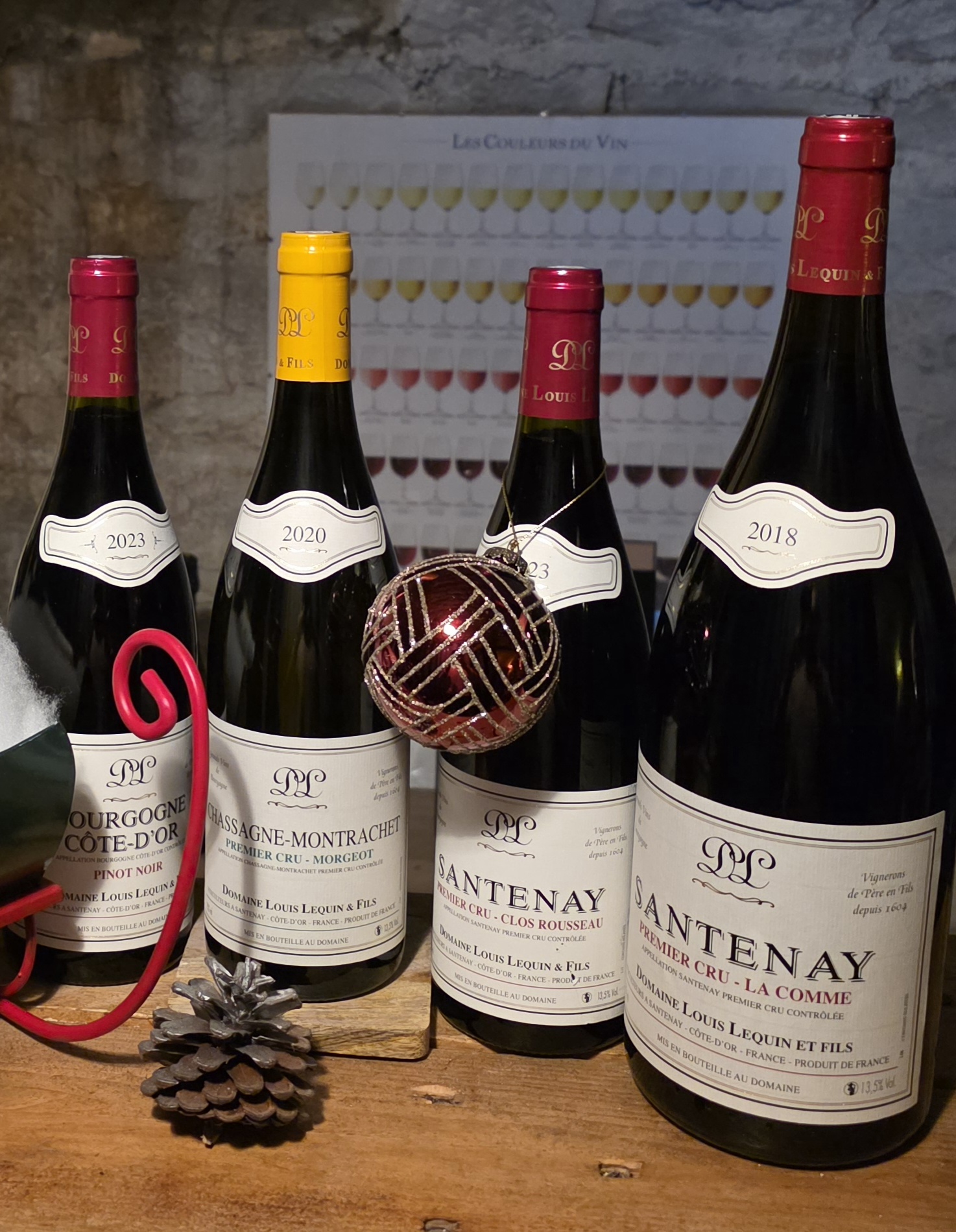
Wine’s magic also lies in the remarkable diversity of large-format bottles. These impressive sizes—often associated with celebration and prestige—carry names inspired by biblical or historical figures.
Beyond their visual impact, large formats offer real aging advantages. Because the ratio of oxygen to wine is lower than in a standard bottle, the wine evolves more slowly. This allows for more harmonious aromatic development and exceptional longevity, particularly for age-worthy cuvées.
Function and Purpose of Different Formats
Each format serves a specific purpose:
Magnum (1.5 L) and Jeroboam: Highly favored for cellaring. The larger volume promotes slower micro-oxygenation, supporting balanced maturation over time.
Very large formats (Methuselah, Salmanazar, and beyond): Often chosen for weddings, receptions, and major celebrations, where their dramatic presence enhances the festive atmosphere.
Small formats (Piccolo, half bottles): Ideal for intimate tastings, restaurants, or situations where flexibility and portion control matter.
Traditional regional formats (such as the Jura Clavelin): Closely tied to local terroir and aging methods.
For export and commercial purposes, cases of 6 or 12 bottles remain standard. This convention traces back to the historical imperial gallon calculations that shaped international wine trade logistics.
The Future of the Wine Bottle: Innovation, Sustainability, and Design
Today, the wine industry continues to innovate when it comes to packaging. While glass remains unmatched for preservation and aesthetic appeal, new alternatives are emerging to address environmental concerns.
Recyclable PET bottles, aluminum cans, bag-in-box formats, and reusable containers are gaining traction—especially for everyday wines and export markets focused on reducing carbon footprints. Lightweight glass is also being adopted to lower transportation emissions.
At the same time, design has become increasingly important. In a competitive global market, packaging plays a strategic role in differentiation. The bottle is no longer just a container—it’s a storytelling tool. Labels, shapes, and presentation now communicate identity, heritage, and positioning before the cork is even pulled.
