

Discovering the Wines of Northern Italy
When it comes to wine, Italy immediately brings to mind diversity, elegance, and deep cultural roots.
In the north of the country, Alpine peaks, fertile valleys, and the proximity of the Adriatic Sea shape wines with vibrant personality—where centuries-old tradition meets modern innovation.
Let’s explore this unique wine mosaic that continues to captivate enthusiasts around the world. A winemaking heritage that spans millennia.
Italy’s Winemaking History Spans Millennia
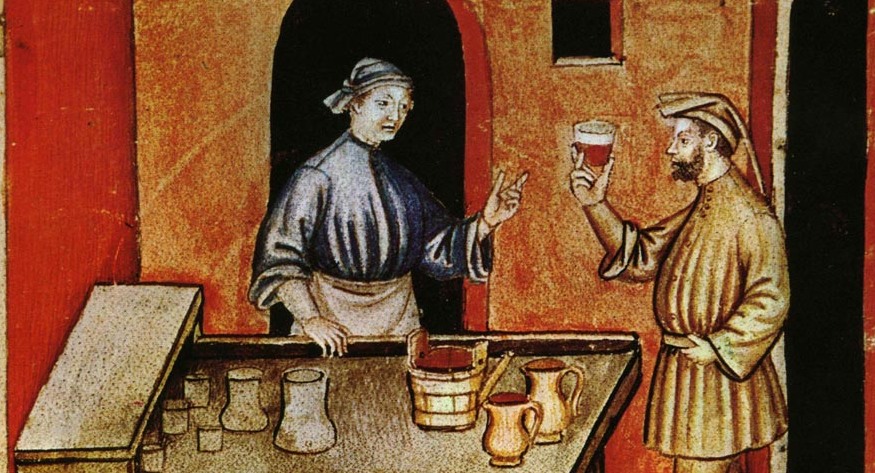
Italy’s wine history stretches back thousands of years. Archaeological evidence shows that vines were cultivated in ancient times—well before Greek and Roman influence took hold. The Etruscans and other indigenous populations were already tending wild vines, eventually domesticating them to produce fermented beverages.
Later, the Romans expanded viticultural knowledge across the peninsula, refining both trade and winemaking techniques. Their influence laid the foundation for Italy’s enduring wine culture. By the 19th century, northern Italian wines such as Barolo and Gavi were already gaining recognition as benchmarks of quality.
Following the devastation of phylloxera and the introduction of formal appellation systems in the 1960s, the focus shifted decisively toward quality and terroir expression. These regulatory frameworks helped elevate exceptional crus and reinforced what remains Italy’s defining strength: extraordinary diversity paired with a relentless pursuit of excellence.
The Major Wine Regions of Northern Italy
Exploring a wine map of northern Italy means diving into a patchwork of contrasting terroirs, each shaped by distinct geography and climate influences.
Piedmont
Often called the “Burgundy of Italy,” Piedmont is synonymous with the rolling hills of the Langhe and Monferrato. Here, Nebbiolo produces legendary wines such as Barolo and Barbaresco, as well as expressive examples from Roero and the northern appellations of Gattinara and Ghemme.
Other native grapes also shine:
Red varieties: Barbera, Dolcetto, Freisa, Brachetto
White varieties: Arneis, Cortese (used for Gavi)
Sparkling wines: Asti Spumante
Piedmont’s identity is deeply rooted in structure, longevity, and terroir-driven precision.
Lombardy
Lombardy is best known internationally for Franciacorta, a traditional-method sparkling wine made primarily from Chardonnay and Pinot Noir, often compared to Champagne in quality and style.
In the Alpine terraces of Valtellina, Nebbiolo (locally called Chiavennasca) produces wines such as Valtellina Superiore and Sforzato, combining mountain freshness with structural depth.
Emilia-Romagna
Less internationally recognized—aside from its lightly sweet sparkling red Lambrusco—Emilia-Romagna accounts for roughly 8% of Italy’s total wine production.
Red wines: Sangiovese dominates, alongside Croatina and Barbera (notably in the Gutturnio appellation in the west).
White wines: Trebbiano Romagnolo is widely planted, though often considered modest in character.
More distinctive local grapes such as Pignoletto (Grechetto Gentile) and Albana produce DOCG wines with strong national reputations.
Veneto
Italy’s most productive wine region, Veneto stands out for its diversity.
Structured reds: Amarone della Valpolicella, Valpolicella Ripasso
Whites: Soave, Lugana, Custoza
Sparkling icon: Prosecco, made from the Glera grape
From Verona’s hills to the plains near Venice, Veneto offers remarkable stylistic range.
Friuli-Venezia Giulia
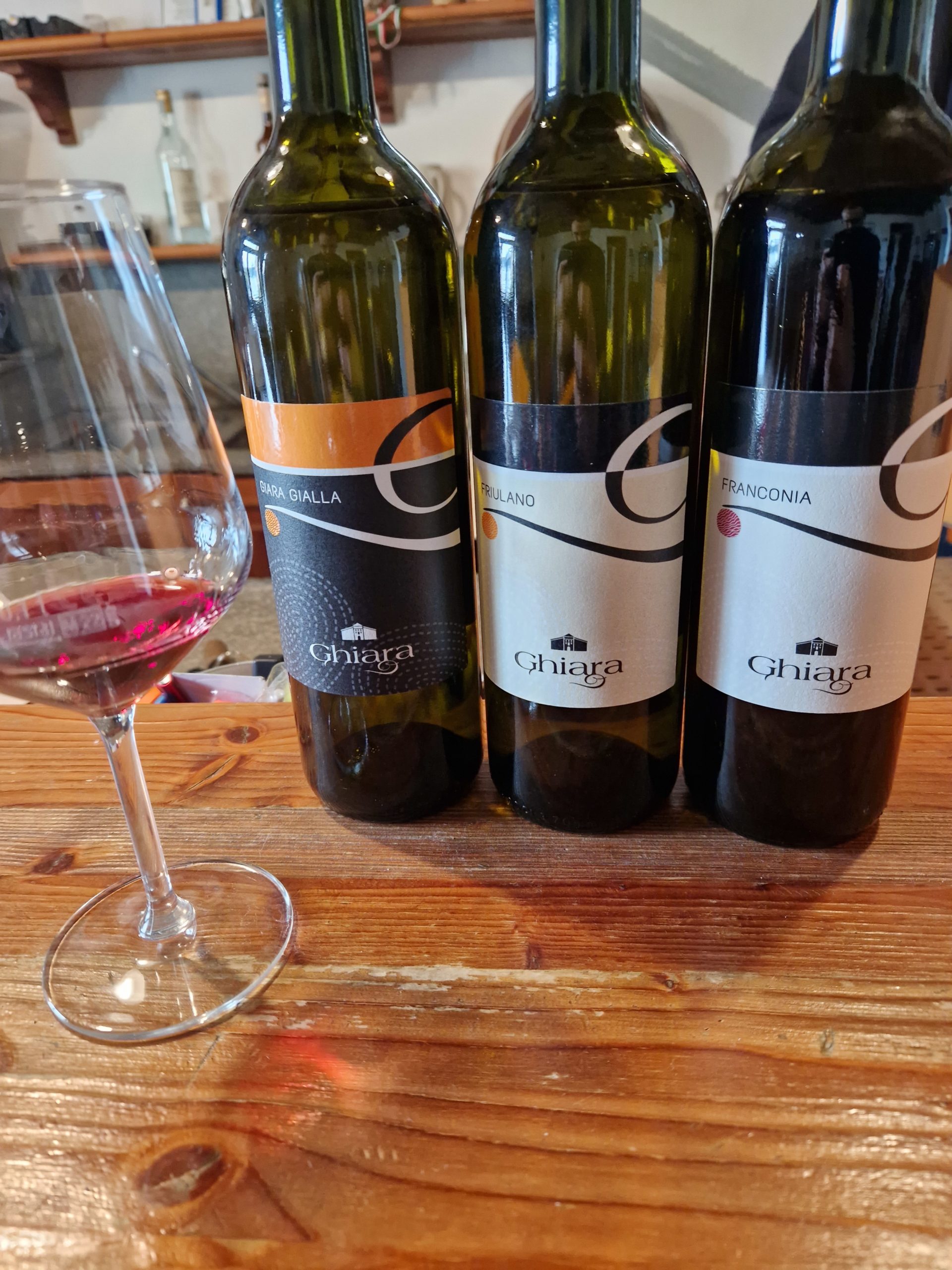
Located in the northeast between the Alps and the Adriatic Sea, Friuli-Venezia Giulia is renowned for refined white wines such as Friulano and Ribolla Gialla.
The region also produces elegant reds from Refosco. Its diverse soils, favorable climate, and strong family-run viticultural tradition contribute to a distinctive identity shaped by both Italian and Central European cultural influences.
The More Discreet Regions
Trentino–Alto Adige
Representing roughly 1% of Italy’s total production, Trentino–Alto Adige lies in the far northeast of the country. Its steep vineyards and complex terroirs combine volcanic, limestone, and dolomitic soils.
The region is known for:
Refined white wines: Chardonnay, Pinot Grigio, Gewürztraminer, Müller-Thurgau
Distinctive reds: Lagrein, Teroldego
A continental Alpine climate preserves freshness and vibrancy, while modern precision winemaking blends seamlessly with centuries-old mountain traditions. The Dolomites provide both dramatic scenery and natural protection for high-altitude vineyards.
Aosta Valley
The Aosta Valley is a tiny mountain vineyard region stretching between 600 and 1,300 meters (2,000–4,300 feet) above sea level in the Alps.
Production is limited and highly traditional, with a strong focus on local terroir expression.
Red wines: Nebbiolo (locally called Picotendro), Petit Rouge
White wines: Prié Blanc, Petite Arvine
The region holds DOC status, with notable subzones such as Arnad-Montjovet, Donnas, and Blanc de Morgex—home to some of the highest-elevation white wines in Europe. These wines are typically mineral-driven, delicate, and well suited to Alpine cuisine.
Liguria
Liguria is a narrow, mountainous coastal region where vineyards cling to steep terraces overlooking the Mediterranean.
It is best known for:
Fresh, mineral whites: Vermentino, Pigato
Light reds: Rossese di Dolceacqua
Ormeasco (a local name for Dolcetto, more commonly associated with neighboring Piedmont)
Limited vineyard space and dramatic landscapes define Liguria’s production, resulting in wines that reflect both maritime influence and rugged terrain.
Key Grape Varieties and Their Sensory Profiles
Nebbiolo
The king of Piedmont. Despite its pale color, Nebbiolo produces highly structured wines with firm tannins and vibrant acidity. Aromatically complex, it reveals notes of rose, truffle, tar, and dark cherry, with exceptional aging potential. Barolo and Barbaresco are its most iconic expressions, though it also shines in Lombardy’s Valtellina.
Barbera
Supple and fruit-forward, Barbera is defined by its bright acidity. It ranges from approachable, everyday styles (Barbera d’Asti, Barbera d’Alba) to more structured and oak-influenced versions depending on terroir and winemaking choices.
Dolcetto
A juicy, accessible red often enjoyed young. Expect red fruit, almond, and subtle licorice notes. It’s a classic “daily drinking” wine in Piedmont.
Glera
The grape behind Prosecco. It produces fresh, aromatic sparkling wines with lively acidity and easy-drinking appeal.
Garganega
The backbone of Soave. This variety delivers dry whites with floral, almond, and mineral nuances—ideal as an aperitif or paired with seafood.
Arneis, Cortese (Gavi), Friulano, Pinot Grigio, Chardonnay
These white varieties showcase northern Italy’s stylistic diversity:
Arneis & Cortese: Delicate, floral, crisp
Friulano: Fuller-bodied, subtly herbal and almond-tinged
Pinot Grigio: Fresh and versatile, sometimes more structured in cooler terroirs
Chardonnay: International in profile, ranging from mineral and restrained to richer, oak-aged expressions
Teroldego, Lagrein, Schiava
Native reds of Trentino–Alto Adige, reflecting alpine character. They combine freshness with originality—Lagrein offering darker, more powerful profiles, while Schiava tends toward lighter, more delicate expressions.
Beyond these well-known grapes, northern Italy is home to numerous lesser-known indigenous varieties—each contributing to local identity and history. Among them:
Erbaluce, Erbamat, Nosiola, Marzemino, and Petite Arvine in the Aosta Valley.
Together, they highlight the extraordinary biodiversity that defines northern Italy’s wine landscape.
Wine Styles and Winemaking Traditions
Food Pairings and Tasting Suggestions
Barolo
Pair with: Game, roasted red meats, white truffle from Alba, mushroom-based pasta
Nebbiolo’s firm tannins and vibrant acidity elevate rich, savory dishes and earthy flavors.
Barbaresco
Pair with: Wild mushroom risotto, aged cheeses
Its refined acidity and dried floral notes make it a natural match for autumn-inspired cuisine.
Franciacorta
Pair with: Seafood, creamy veal dishes, poultry
Its fine bubbles and freshness enhance both briny textures and creamy preparations.
Prosecco
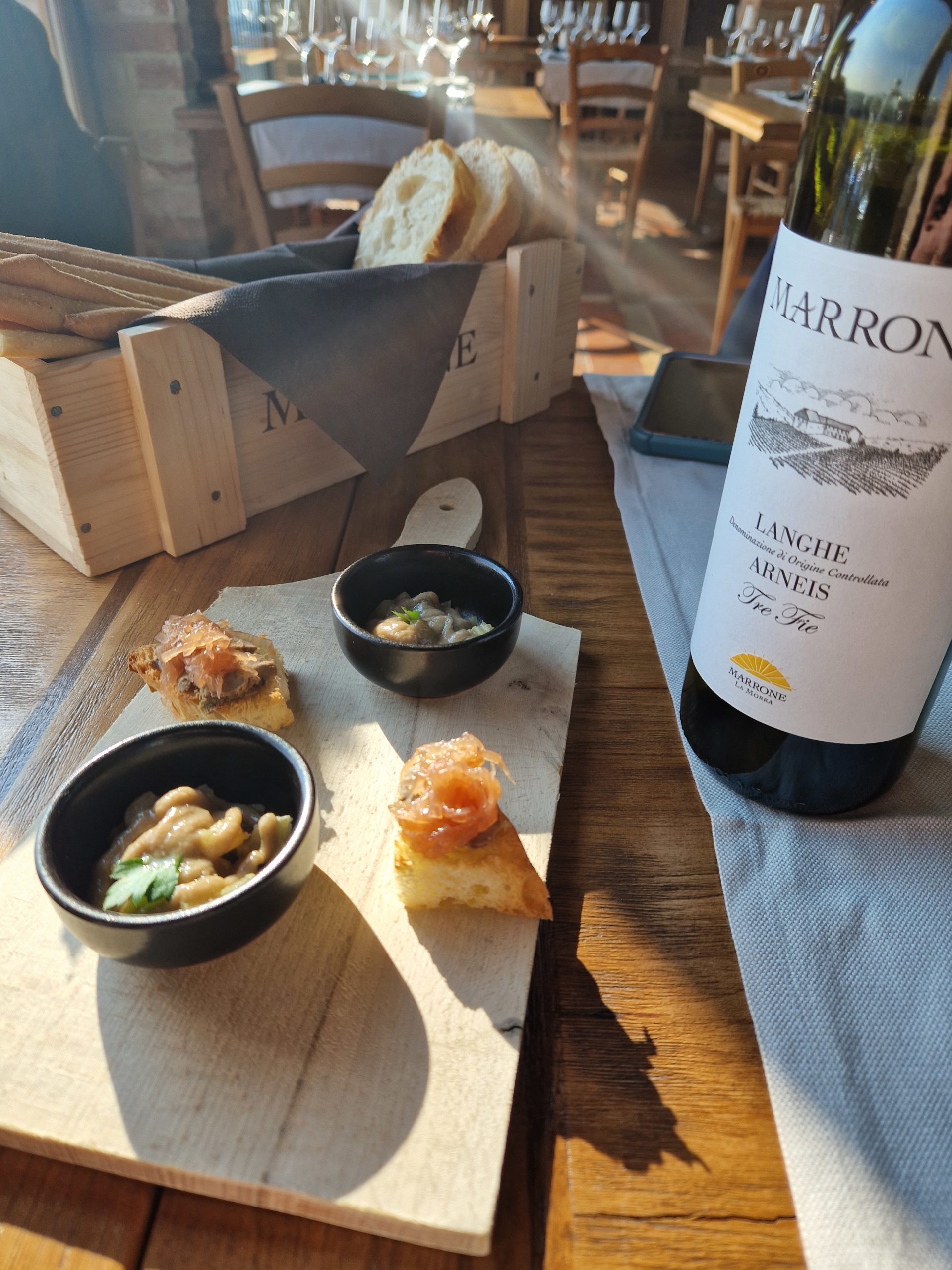
Pair with: Antipasti, aperitif spreads, fruit-based desserts
Light, crisp, and aromatic—ideal for convivial moments and casual gatherings.
Soave & Gavi
Pair with: Grilled fish, crisp vegetables, Mediterranean or Japanese cuisine
Their mineral backbone and clean profile complement delicate, pure flavors.
Amarone della Valpolicella
Pair with: Blue cheeses, rack of lamb, dark chocolate
Rich and powerful, Amarone wraps around bold dishes and intense, bittersweet desserts with depth and warmth.
If the wines of northern Italy captivate so many enthusiasts, it’s because they embody the perfect balance between tradition and modernity. From the richness of indigenous grape varieties to the precision of terroir expression, from Italy’s joie de vivre to its commitment to international excellence, this region stands at the forefront of contemporary European winemaking.
Their elegance, diversity, and aromatic depth make them natural companions to gastronomy—and global ambassadors of the Italian lifestyle. From Milan to Venice, Turin to Trieste, from the Alps to the Riviera, northern Italy tells its story through the glass.
For wine lovers, professionals, and curious explorers alike, this transalpine region offers an endless invitation to discovery—whether you seek iconic bottles or simple, authentic pleasures.
Whether you’re a seasoned collector or a newcomer eager for new sensations, the wines of northern Italy promise a sensory and historical journey of rare generosity—one to be experienced both in the glass and in life.
