


Wine Faults: How to Recognise Them (and What to Say at the Restaurant)
A faulty wine isn’t a wine you simply don’t like: it’s a wine with an objective flaw. Cork taint, oxidation, acetic spoilage, reduction… Here are the 7 most common wine faults and how to spot them, nose in the glass.
When I ask my customers whether they feel awkward when the sommelier offers them a taste of wine at a restaurant, the answer is almost always “yes”. They don’t know what to look for, and often think they’re being asked whether they like the bottle. You can imagine that if every customer ordering a bottle of wine had to taste it just to decide whether to keep it, we’d never get anywhere — and the restaurant would be out of business within weeks!
So of course, sommeliers are always interested in their customers’ opinion, but what they’re really waiting to know first is whether the bottle is free of any fault.
What is a faulty wine?
There are many wine faults. In this article we’ll focus on the most common ones — the faults you’re most likely to come across, whether at home or at the restaurant.
1. Cork taint: how to recognise a corked wine
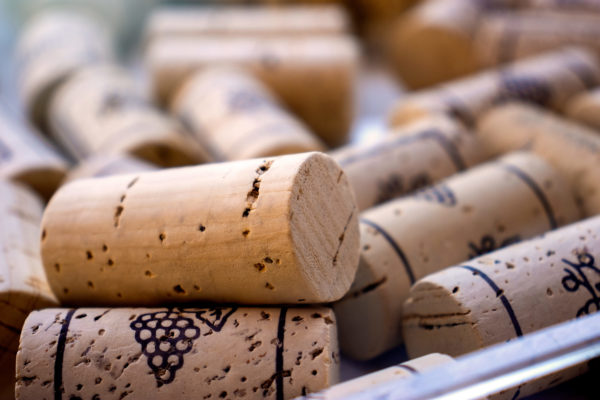
Whenever I ask what a faulty wine might be in my tastings, my tasters almost always mention corked wine. Even then, they’re not always sure what it actually means. It’s a smell of damp cellar, of wet or even mouldy cardboard, which can also be detected by smelling the cork itself. The smell can be very faint, and sometimes only reveals itself a few minutes after the bottle is opened.
The cause is TCA (trichloroanisole), a molecule that develops on cork oaks in Portugal when spray products from neighbouring fields settle on the bark of the trees. It’s the bark of these trees that is used to make cork. TCA can also come from certain wood-treatment products the bottles may have been in contact with (timber frames, pallets, etc.). It’s estimated today that around 1% of wines are corked. That figure was put at 5% back in the 2000s! How many people have drunk a corked wine without even knowing it?

2. Oxidation: when a wine is past its best
A wine is a living product: it breathes through the cork, it evolves, then it fades away. A wine you’d kept in the cellar for ten years or so, when it only had one or two years of ageing potential, can show aromas of bruised apple and rancid walnut, and of course no trace of freshness left. When in doubt, it’s always better to open a bottle too early than too late! If you uncork a bottle that’s too young, you can always decant it to let it breathe, which will “open it up” and soften it. It won’t have the complexity of a wine aged for years, but it’ll be more enjoyable and more interesting.
3. Volatile acidity
One of the major wine faults, since every wine has more or less volatile acidity. The acetic bacteria present during winemaking oxidise the wine’s ethanol, turning it into ethyl acetate and giving notes of acetone, nail-polish remover, sometimes glue. As these bacteria develop on contact with oxygen, wines aged in barrel are often more likely to develop these notes, since they’re more exposed to oxygen than wines aged in stainless-steel tanks, for example. A healthy harvest reduces the risk of high volatile acidity; conversely, damp years where rot is more present can increase it — hence the importance of sorting the grapes during the harvest.
At low levels, ethyl acetate “lifts” the fruit in the wine’s aromatic profile, but it becomes a nuisance beyond a certain threshold.
4. Vinegar: acetic spoilage
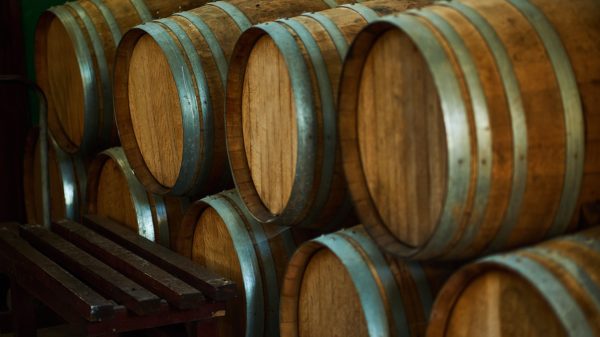
Everyone knows the smell of vinegar; it can appear in wines with a very high acetic acid content. The cause is the same as for volatile acidity — namely the acetic bacteria. When a wine turns to vinegar, generally in the presence of oxygen and fairly high temperatures, we call it “acetic spoilage”. Once again, barrel-aged wines are more prone to this fault as they aren’t protected from oxygen. Hence the value of topping up the barrels — regularly refilling them to make up for the wine lost to evaporation or absorbed by the wood. SO₂ also acts as an inhibitor of acetic bacteria.
5. Reduction and lightstrike
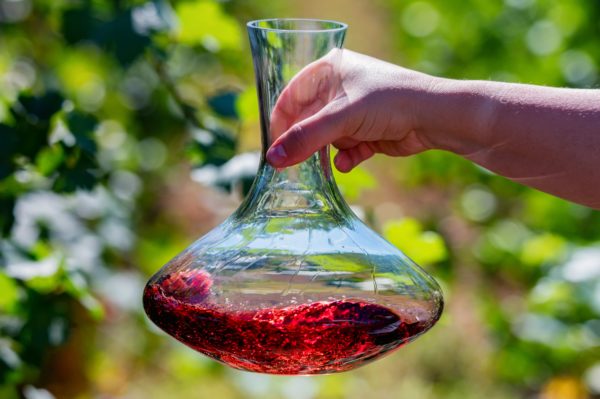
If oxygen can be the wine’s enemy, as we’ve just seen, it’s also its ally! Wines that aren’t aerated enough during winemaking, wines that have been completely deprived of oxygen (under screwcap or plastic stopper, etc.) can see sulphur compounds appear or evolve, which changes the wine’s aromatic profile. Aromas of cauliflower, Brussels sprouts, broccoli or rotten onion are signs of a wine starved of oxygen: we then call it a reduced wine. Pour it into a decanter, let it breathe, and you’ll most likely make those unpleasant notes disappear!
Lightstrike, often marked by the sulphurous smell of rotten egg, generally forms when a bottle has been badly stored for too long — in your kitchen at home, for instance, exposed to daylight. That’s why most bottles are tinted, and kept in the cellar. Supermarket strip lighting can also be a threat to wine.
6. Brett (brettanomyces)
Brettanomyces are yeasts that typically settle in poorly cleaned barrels, particularly in the tartrate deposits. The wine then develops animal smells of stable, of “horse sweat”. Sometimes they can be pleasant and call to mind leather, and in other cases they can be very off-putting and closer to manure. Decanting can help with a mild case of Brett.
7. Earthy or musty flavours
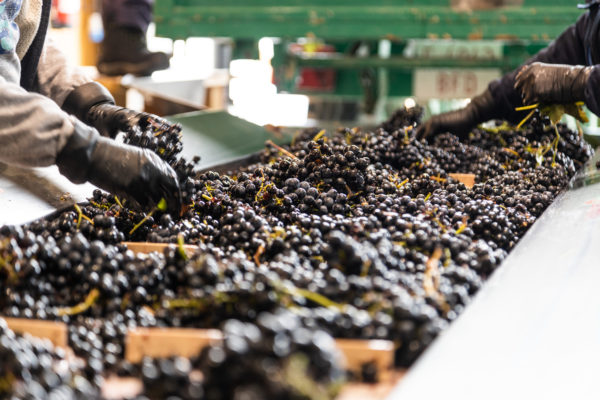
These smells can appear if the sanitary condition of the harvest isn’t satisfactory. In damp years, for example, certain types of rot can develop on the grapes; they’re caused by fungi such as botrytis or penicillium. These fungi can affect the aromatic profile of an entire cuvée — hence the crucial importance of meticulously sorting the harvest.
In summary
There are other wine faults, but we wanted to focus on the main ones. The aim is to help tasters spot and understand them, whether at a tasting or at the restaurant. And of course, if you think you’ve bought a faulty bottle from The Wine Compass in Dijon, don’t hesitate to bring it back for an exchange: your wine merchant is here to help!
FAQ

A corked wine gives off a smell of damp cellar, wet cardboard or mould. It can be faint and only reveal itself a few minutes after opening. You can often detect it by smelling the cork directly. The culprit is TCA, a molecule that develops on cork.
No, an oxidised wine isn’t a health risk: it has simply lost its freshness and developed aromas of bruised apple or rancid walnut. It’s less enjoyable to drink, but not harmful.
A reduced wine shows notes of cabbage, onion or rotten egg caused by a lack of oxygen. Decanting it to aerate is usually enough to make those unpleasant smells disappear.
Not to find out whether you like the wine, but to check that it has no fault (cork taint, oxidation, etc.) before serving it to the whole table.

About the author
Matthieu Aravantinos — Sommelier, wine merchant and founder of The Wine Compass in Dijon. Born in Burgundy, it was the wines of his own region that gave him his first oenological thrills. Of Greek-Burgundian roots and raised on a healthy dose of family epicureanism, he turned his passion into his trade: seeking out wines from Europe’s great regions as well as more unusual terroirs, and offering only bottles he has tasted and approved directly with the producer. His idea of happiness? Sharing a fine bottle among friends.
